Episode Transcript
[00:00:00] Speaker A: You know, I was 12. I knew. I knew, okay, somebody I knew. Tracy Anderson was shot and killed.
Broad daylight, you know, kids outside playing, neighbors watering their lawn.
And this took place.
But I didn't really understand that.
This is actually shattering my innocence, right? My childhood innocence.
This is actually stealing something from our neighborhood. I needed to start there and then go backwards to kind of show this is what made this community so special. This is what made it magical. I wanted readers to feel the weight of what was lost and then slowly experience what made it so precious and so special.
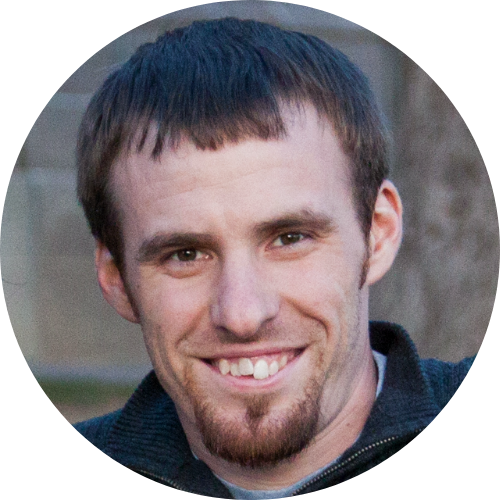
[00:00:52] Speaker B: Welcome back to Unfeigned Christianity, where we are on a journey of becoming a people who are theologically anchored in Jesus and emotionally healthy so that we can love and disciple others. Well, I'm excited to have a co worker of mine on the episode today. His name is Keith Smith. He is the pastor of Gateway Church in Wooster, Ohio. And he recently wrote a book about growing up black in the San Fernando valley in the 80s. The book is the Magic of Montfort Street. And he, through the book, it's kind of a memoir recounting the magical experience of his childhood living in the first black suburb in America in the San Fernando Valley, the Pacoima area, which I find all of this really interesting because I lived. We lived in Tuhunga, California, for about three years, in Northeast L. A for another three years or so. And very familiar with this area that he is talking about growing up in. And so it was really interesting to hear him recount what it was like when he was young.
And then he talks about the shift and the change of how all of a sudden it was no longer this magical experience, but the policing became more militaristic and eventually his family moving out of the San Fernando Valley area. So I enjoyed the conversation because it's a personal story. It's an area I'm familiar with. It's a coworker of mine. But he does get into just kind of reflecting on the things that shaped him, the things that shaped his character, his person, and his faith. And so I hope you enjoy this conversation. I enjoyed it. And without delaying things longer here, let's get into my conversation with Keith.
All right, Keith. Well, welcome to Unfeigned Christianity.
[00:02:49] Speaker A: Hey, thank you. Thanks for having me.
[00:02:53] Speaker B: I have the honor of working with you at LIFX Marketing. We are both account managers, and particularly Keith serves as our lead strategist. And I've been working with him some in strategy in the last couple of months as well.
But marketing is only one piece of your life.
And so I thought maybe just to start out our conversation here, I'd love to hear more. Yeah. What do you do outside of lifx? Marketing. What? Yeah. You're a pastor.
Maybe even just start. Yeah. Where have you come from?
We're here to discuss your book, the Magic of Munford street, which is in the San Fernando Valley.
And I'm familiar with the San Fernando Valley, coming from Southern California, so. So we'll talk more about that. But if you kind of want to just give the.
The arc of your life, where, where you came from, where you are now and then kind of lead into that. What inspired you to write the Magic of Monford Street?
[00:04:00] Speaker A: Yeah, no, that's a good, good starting point.
So, yeah. So my background before coming to lifex, I've been bivocational since we planted our church in Worcester, Ohio, where I'm at now.
We planted our church gateway back in August of 2012.
And working as a church planter, I.
Leading up to that, I did work in group homes, residential treatment centers.
So I did program development, supervision.
And before that, my wife and I did direct care work with teenagers.
And so when we planted the church in 2012, I stepped away from that work and I took a role at the local Christian school that our kids attended, Kingsway, a Christian school in Orville, Ohio.
And I took a role there as spiritual life director and high school Bible teacher. And I taught an entrepreneurship class, and I did that for 12 years.
All of my kids eventually graduated high school. My three oldest graduated college, and our youngest just started her first year of college this past fall.
And so I stepped away from the education arena last May and was looking for work that would allow me still to fulfill my, my responsibilities as a pastor and had that type of flexibility. And so I was introduced to LIFX through Stuart and, and, and so that just, man, it was such a godsend.
My undergrad and graduate degree is in organizational leadership.
And I've done some adjunct work at Malone University where I've taught like on marketing.
And I, of course, as a church planter and other areas I've had to do, you know, some marketing, social media stuff, web stuff, but not on the level that I, I was introduced to @lifx. And so it definitely has been a learning curve, learning and stepping into that, but it has allowed me to still continue to serve my community here in Worcester.
And so that's just my professional background what kind of brought me to LifeX to connect with you.
But my, my story, my story starts in Southern California that's where I was born and raised in Sun Valley, which was in the San Fernando Valley.
But I lived in most of my life around the Valley. But PAA would have been the center and that's really the book the Magic of Monford Street.
That's, that's really at the heart and center of that.
The book is a love letter to the valley in the 80s.
So that was really home for me. And after, you know, graduating high school, college, got married, my wife and I, we moved to Dallas and we lived in Dallas for about six years, helping out with a church there. And that's when we got introduced to group homes. After six years, we then moved to Ohio. So that's kind of a roundabout jumbled of our, our past and our history.
[00:08:12] Speaker B: Yeah.
[00:08:13] Speaker A: But your question about why, why did I write the, the book the Magic of Montford Street, A love letter to the valley in the 80s?
Yes, that's.
So when I, when I told people that I was writing a book, most people assumed that, that the book that I was writing was some type of theological book or some type of self help or spiritual book on, you know, doing life in the kingdom or, you know, whatever, just because of my ministry and the type of ministry I've had.
And when I told him, no, I'm actually writing a memoir about my childhood growing up in the 80s and in, in the Valley, you know, they're like, what, really? That's what you're writing? And, and, and honestly, like, I have so many books that I want to write.
I have like notes of titles and chapters and subjects and.
But this was the book that I felt like I had to write first before I could write anything else because it's an origin story. Right. And I, I love origin stories. And I felt like before I could introduce myself in the writing world as an author, I needed to first start with what formed me, what made me to be the person who I am.
[00:09:51] Speaker B: And
[00:09:54] Speaker A: Monfort street, that community shaped, informed the person who I am today. And so this was a book that I felt like I had to write.
[00:10:04] Speaker B: Yeah.
Yeah, that's good. Thanks for sharing that. What, what's really been intriguing for me as I read the book is first of all, we, up until 2022, we lived literally. I think I looked it up. I think it was 12 minutes away from Munford Street.
I used to go to Bible college out in Simi Valley and drove, drove by on the 118.
[00:10:34] Speaker A: Yeah.
[00:10:34] Speaker B: Glen Oaks, two or three times a week.
[00:10:37] Speaker A: Yeah.
[00:10:38] Speaker B: And I did handyman work. I can't remember Some of my old clients, but I was. Yeah, Paxton Street, Glen Oaks Boulevard. I did a lot of work in and around there.
Oh, that's so crazy.
It was really interesting to read about because we moved there, my family moved there when I was still at home in 2008.
And then in 2012 I got married and Theresa and I just set up home there. We did spend a few years overseas, but came back to la and, and so our experience in Southern California is relatively new. And it's interesting hearing from the eyes of someone who grew up in the Valley and you hear stories of different things as you live in Southern California, but I just find it fascinating to hear your childhood experience and I, I want to get into that, but as you were talking, I, I just had a, another question. What was it like moving from Southern California, LA to Worcester, Ohio?
Where. I mean that's, I mean it's not quite Holmes county, but it's still fairly Amish country, isn't it?
[00:12:03] Speaker A: Yeah, yeah. Well, it, it neighbors Wayne county, neighbors Holmes County.
[00:12:07] Speaker B: Yeah.
[00:12:09] Speaker A: So you know, of course we went from LA to Dallas which was again another big city, but we lived kind of on the outskirts of Dallas, you know, city. So it wasn't as, you know, busy, but it a lot busier than Worcester still.
It was a major culture shock. It was like I felt like we were missionaries right. On mission to a foreign country.
Learned a lot. I, I remember, you know, seeing horse and buggies on our streets. Now Worcester is the largest, biggest city in Wayne county in that area.
And so we don't necessarily have Amish that are mainly in the city but on the outskirts of Worcester. And so they come into Worcester still. And so there will be horse and buzzy buggies. Our Walmart would have a hitching post that, which I never saw before in my life. It had no, you know, it looks like another place to return shopping carts, but no, it's for tying up horses.
[00:13:23] Speaker B: Yeah.
[00:13:24] Speaker A: So it's, it's been, it's been kind of cool. But our, our church that we planted, Gateway Church, we have a number of people who, family members, background.
Either they used to be Amish or they were conservative. Very conservative Mennonite, just different backgrounds, Anabaptist backgrounds. And so we, we pastor that type of community and it's been, it's been really an amazing experience.
Yeah.
[00:14:01] Speaker B: Yeah, that's interesting.
I, I have, I come from conservative Anabaptist background.
Before la, we, we were in northern Minnesota, which isn't anything like Ohio or Indiana in terms of, of population of of Mennonites.
But most of my adult, older youth and adult life was in Southern California. And so anytime I visit Ohio or Pennsylvania, I feel that myself. I feel some of the culture shock and the.
Yeah, Hitching posts and seeing other conservative people in Walmart and stuff. It's like, oh, who are they? Do I know them?
It's just kind of a. A unique, unique experience.
The.
So you open the book by the scene of driving into your community neighborhood after a murder, and then you step back and tell some real fond, magical stories of your childhood and. And lead into how Munford street changed and so forth.
What.
Was there a part of you that was kind of processing some of that trauma as. As you wrote it and some of the change that you saw happen?
Yeah. Talk a little bit about what or maybe just set the stage.
[00:15:34] Speaker A: What.
[00:15:34] Speaker B: What was Monford street like? And then how did it change and how did that form you?
[00:15:41] Speaker A: As I.
As I process, like, my childhood, I recognize as an adult that I actually grew up in a very special era, the 80s.
I was born in 76, so most of my childhood and up into, like, early teens, I was in the 80s.
And what I realized now, and I think a lot of people realize now, it was like there was something about that era that captivated people.
I mean, from the fashion to the music, to the, you know, blockbuster movies that were released during that time.
So much today is built off of what happened then, even to what Stranger things.
It's taking place during that time of the 80s.
And I don't know if it was because it was at that intersection of being the generation of kids who still went outside and played, you know, late, until the street lights came on, drinking from a water hose when it was hot, you know, and then, you know, having Atari 2600 come out during that time, where now we spent part of our time indoor with some digital video games and outside and, you know, being that bridge generation.
There is something about that. That forms of nostalgia, I think, for people.
And I didn't realize that more until, like, really adulthood. And I'm like, wow, man, that was. That was pretty wild. That was pretty cool.
But then I also realized how special my neighborhood was.
You know, living in other neighborhoods and hearing other people talk about their childhood and their communities.
I was like, wow, man. My. My neighborhood was actually pretty unique. And I started sharing stories about that, and people were like, wow, that was. That's actually pretty amazing.
The interesting thing is generally a generation above me, like younger baby boomers, when I would talk with them, they Would resonate, like, wow, that reminds me of my childhood, you know, like. But you're a lot younger. How did you.
And this is kind of the backbone of my book.
My parents, they were very young when they got married in Hackney. They, my, my mom was in her senior year of high school. My dad was a junior in high school.
And so because they were so young, they lived for quite a while off and on with my grandparents, my mom's parents.
And so in a way, I was raised by two sets of parents. My, my grandparents and, and my parents. And so I was raised by, you know, a generation that raised baby boomers, you know, so I kind of got a part of that.
But I opened the book up with the prologue that talks about, you know, which is interesting. It talks about the day the magic ended.
So, you know, the book, the Magic of Monfre street, like, oh, great. And then the very first chapter is the day the magic ended.
I feel like it was important to start with that story of the murder that took place in my neighborhood because that was the day that clearly divided before and after.
You know, something changed. Something changed in me.
Something changed in our neighborhood.
And I didn't fully understand what was happening. You know, I was 12. I knew, I knew, okay, somebody I knew, Tracy Anderson was shot and killed.
Broad daylight, you know, kids outside playing, neighbors watering their lawn.
And this took place.
But I didn't really understand that this is actually shattering my innocence, right? My childhood innocence.
This is actually stealing something from our neighborhood. I didn't, I didn't process any of those things at that point. It took me years as an adult to actually come to that point, but that was a reference point, a watershed moment for me. And so when I decided to write to talk about my, my, my journey, my childhood in the 80s in the valley, it's like I needed to start there and then go backwards to kind of show this is what made this community so special. This is what made it magical.
I, I wanted readers to feel the weight of, of what was lost and then slowly experience what made it so precious and so special.
And so that's why I started there and then went backwards.
[00:21:38] Speaker B: Yeah, yeah, yeah. Again, I'm having lived there, I have a bunch of things.
So I, I have some pop up questions that I didn't forewarn you about, but.
[00:21:51] Speaker A: No, no, that's cool.
[00:21:54] Speaker B: We, we lived, we lived in to Hunga and right on to Hunga Canyon Boulevard, which is a fairly busy road. So it, it didn't have near. The kids were not playing in the street.
But my observation would be that even in Pacoima area today, kids don't really play in the street.
And I'm curious, is that like around that same era, was there a shift happening all throughout the San Fernando Valley?
Would, would other areas have had that more laid back family in integrated within neighborhood and so forth?
Would other areas of the. The Valley have had. Have had that feel as well or was that unique to your specific neighborhood?
[00:22:48] Speaker A: Yeah, I think on a certain level, yes.
When I was growing up in the Valley in the 80s, most people that were living in the Valley had been there for a while. There were, they were original families that have been there.
California started to see a boom with a lot of people from outside of California moving in later.
But during that time it was not as busy or congested.
We actually like my grandparents in their backyard in Pacoima. They raised chickens. We had ducks.
My mom told me that when she was a kid, some of the neighbors had a horse.
You know, there was a feed store you, you probably would have never imagined a feed store on Glen Oaks, right off of Paxton, like right when you go under the 118, like right little past there, there was a huge feed store there that we used to go and get like our chickens and our eggs. And I used to see them incubate and hat. So I grew up like gathering eggs in the morning and feeding chickens, you know, and that was right there in Pacoima. So it had more of that type of feel and the same thing with other parts of the Valley. It definitely had that more neighborhood feel.
[00:24:24] Speaker B: Yeah, yeah, yeah. There still is something. Like you still have more chickens probably in the city than some of the other large cities I've visited in to Hunga. We had, you know, you'd have a very kind of urban feel and you'd go a couple blocks and there's a big property with horses on it like that. That was kind of always intriguing to me. But.
But it is interesting how dramatic of a change seems to happen, at least from stories I've heard. Like there, there was. The Valley is looked back on in, like you said in the 80s with, with a bit of nostalgia. And it was a different time.
[00:25:08] Speaker A: Well, you know, one of the things is we share the Valley with movie stars, music, pop music, artists, and we share grocery stores, movie theaters, toy stores, Toys R Us in the Valley. I mean, my, my mom used to work there. My mom and dad used to work there when they were young. And they have all types of stories of all of the stars that Used to come through there and. And they used to have conversations and. And it wasn't like, you know, starstruck, oh, I'm out looking for. We just shared the community together.
Yeah.
Which is different. You know, a lot of people are coming there now to see stars or to make it in the industry or to, you know, it's. It's just a different feel today than it was during that time, you know, So I. I talk in. In the book about, you know, the time I think I was like, in the fourth grade when I ran into Janet Jackson.
You know, we were in the same theater watching the movie was Breaking 2 the Electric Boogaloo, and Janet Jackson is sitting right behind me next to some of my friends that I came with. And the guy who's starring in the movie is sitting next to her. And it's like, this was our community theater that we all would go to. And so you would run into, you know, stars and stuff like that all the time.
[00:26:51] Speaker B: Would they have, like, a bunch of people kind of wanting to talk to them or have pictures with them or, like, was it that sort of feel or was it just like, these are people in the community?
[00:27:02] Speaker A: It was more like it was just people in the community. You know, you might have one or two people who could be obnoxious, you know.
[00:27:10] Speaker B: Yeah.
[00:27:10] Speaker A: But as a. As a whole, we just, like, we grocery shop with them, you know, we go to the movies with them. It's, you know, and that's just how the Valley was like in the 80s during that time.
[00:27:25] Speaker B: That's interesting.
You're. You're early in the book. You have a story where your mom introduced Michael Jackson to the moonwalk. Is that.
Is that true? Like, she. She introduced him to the.
[00:27:41] Speaker A: Okay, so, yeah, so like, my mom, I think she was around 14 at this time.
Huge Michael Jackson, Jackson 5 fan.
My mom and Michael Jackson are.
They were the exact same age.
I think the difference was, like, one day. They have. Their birthday was one day apart. So she grew up a major fan. And they lived in Encino, and encino was about 14 miles from our house in Pacoima. And so her and her friend rode their bikes, you know, to Encino with the hopes of maybe being able to, like, see if they could see one of the Jacksons.
And they get there.
[00:28:33] Speaker B: They did this without telling their parents, right?
[00:28:35] Speaker A: Oh, yeah, man. That's how bike rides were back. Well, this was. This was even earlier. I mean, we didn't have cell phones. And, you know, just like, I'm going out riding my bike and you could be out riding your bike all day. So I never ventured that far.
[00:28:50] Speaker B: Well, I was going to say, like, I don't know if the valley was different back then, but 14 miles in the valley today, like, I would freak out if I knew one of my
[00:28:59] Speaker A: 14 year old kids was right. Yeah, that definitely was a different day. But still, parents will still freak out if they knew. Yeah, but so they, they get to the gate, you know, you can't even see the house from the street.
It's gated community walls, you know, shrubbery and all of that. And it has an intercom and they push the intercom.
[00:29:22] Speaker B: And
[00:29:24] Speaker A: Catherine Jackson, their Jackson 5's mom, you know, she gets on and she's like, yeah, how can I help you? And they're like, we're fans. We rode our bikes from Pacoima. We wanted to see if we could see the Jacksons. And she's like, oh, sweetie, no, we don't just let fans come into our home.
And right when you thought that was it, my mom's friend thought quickly and asked, Mrs. Jackson, what kingdom hall do you worship?
Knowing, you know, that she was JEHOVAH Witness.
And Mrs. Jackson, you know, responded, she's like, oh, are you all Jehovah Witness? And my mom's friend, she was, her family was Jehovah Witness. She's like, yeah, we worship at, you know, such and such Kingdom Hall. And she said, you know what, hold on one second. And then there goes the buzz. And the pearly gates opened up to him and they walked down the driveway and the home of the Jacksons. And they did it on the perfect day because every single Jackson was home. All of the brothers, all three of the sisters, their security guards, you know, their, their grandmother, like everybody was there and they end up going swimming. Some of the Jackson, the boys.
And Michael didn't want to dive off the diving board because during that time he had his natural. And he's like, you know, I just did my hair, I don't want my hair to get wet, you know, and, and of course my mom. And I'm like, oh yeah, you can always redo your hair. So he's like, okay. He jumps in.
And so they're swimming and they're listening to the radio at the same time and songs would come on and Michael would ask them, you know, what do you think about this song and how do you like this beat and all of that?
Well, I believe it was Dancing Machine came on the radio, their song.
And you know, Michael was asking them to dance, to show their moves and stuff.
And so my mom started dancing. My mom is an incredible. To this day, my mom is still an incredible dancer. And so she starts dancing, and it wasn't the moonwalk, it was the robot. She starts doing the robot. She starts doing the robot. And, you know, Michael's like, whoa, whoa, whoa, wait, that's. Do it again. And he's like, what did you learn how to do that? And so Michael ended up being known, you know, especially early in his solo career or even like towards the end of the Jackson 5 for being incredible with the robot. And so my mom is just like, I taught him that.
I showed him how to do the robot. And so that. That's been a family story that I. I have heard hundreds of times as a kid growing up. And of course, that was a major flex, especially in the 80s, with all my friends, like my mom and Michael Jackson. And.
And I told my kids the story my mom told them. And so of course they told all their friends. And so it's just been our little family lore of the time my mom gave Michael the King of Pop dance lessons.
[00:32:54] Speaker B: Yeah.
[00:32:54] Speaker A: Yeah.
[00:32:55] Speaker B: And then your. Your mom. Your grandma. Your mom's mom was like, I'm trying to remember how the. Michael's dad tells. Calls and says they're headed home or something, and. And she kind of laughs at him and hangs up.
[00:33:10] Speaker A: Yeah, yeah. Like, they. They're riding their bikes home, and they were like, your parents need to know where you guys are at and that you guys are coming home. And so he calls and my. My grandma answers the phone and he's like, this is Joseph Jackson of the Jackson 5.
And of course she's like, yeah, sure it is.
Is like, what is like. He's like, your daughter's on her way home and.
Okay, thank you very much. And she hangs up on Joe Jackson.
[00:33:43] Speaker B: Wow, that's. That's in. It's interesting imagining the.
Yeah.
Celebrity and community and. And particularly San Fernando Valley in that light. There's definitely still a lot of celebrity sightings today.
There's. I mean, a grocery store we used to frequent was kind of iconic in its look. And so a number of different movies would use it in their movies. And so it shut everything down. And.
But there it. It's.
Whenever. Not. Not so much over movie shoots, people just kind of go on by. But if there ever is a celebrity out, there's always loads of security and loads of people with their phones out and just kind of.
Even though I didn't live back then, it creates a nostalgia within me. Of, like, man, it would have been fun to live back in a time like that when maybe.
Maybe celebrityism wasn't quite the, I don't know, idolization that it is today.
[00:34:48] Speaker A: Yeah, yeah. No, it. It definitely was different. You know, everybody, you know, on social media and wanted to get, you know, followings and likes and, you know, you know, pictures and tagging and all of that. It's. Yeah, it's just. There was just so much you lived in the moment and.
Yeah, it was. It was just different.
[00:35:14] Speaker B: Yeah.
Yeah.
So getting back to your story a little bit more, a couple different things. I want to tap into a little bit of the moving from the magic, playing outside in the streets, everybody kind of in and out of each other's space, playing together, uncles playing with the kids and so forth to all of a sudden where a bullet piercing your bedroom ceiling.
Some of the more violent aspect of that.
I also want to get into the.
Trying to organize my thoughts a little bit here as well. But you. You wrote about watching the Cosby show and feeling seen for the first time a black family of influence.
How did. How did that. Yeah, I guess how did.
Yeah, I'm just gonna blurt it out, and you can correct me and steer me and help me understand.
There is, within a lot of my experience in Southern California, but then even at the culture at large there, there is this pervading sense in which.
I mean, today you hear it as, like, the Mexicans moving into the Southern California. But even the notion, like, I've. I've encountered it even of just black people in general, like, moving into areas and like that, bringing with it violence and drugs and all of that.
And yet here you are. You. You were a strictly a black neighborhood. Is that right?
[00:37:08] Speaker A: And there's one. We had one Hispanic family that lived on our street.
They weren't originally there. They ended up moving. But other than that, yeah, it was all black.
[00:37:20] Speaker B: And there's other. There's other places of Southern California that I've recently learned have been historically black.
Neighborhoods that. That I hadn't known about before with, I think, similar.
The word that keeps coming to my mind is like, romantic.
Romantic origins or histories.
So that doesn't jive with the narrative that somehow the. Introduced the introduction of people of color kind of brought with it the shift and the change and so forth.
I'm curious, where. Where does that come from? And what was your processing as you grew up in this neighborhood and watched these changes take place in your neighborhood? What. Where did those changes come from?
[00:38:12] Speaker A: Yeah.
So in Pacoima on Monforth Street.
That community was very unique, as in, it was a birthing, I believe, of what was possible in black communities.
Up until that point. There was a lot of redlining that was taking place where black families could not buy homes in certain communities.
And this is back in like the 40s.
My grandparents, my grandfather was a Tuskegee airman. So, you know, one of the, you know, the first African Americans who were given the opportunity to show they had the aptitude and ability to be pilots.
And so he was able to be a part of that group that really broke through a glass ceiling and opened up opportunities for others to follow.
And as the war, World War II ended, they moved to these barrack type style homes and called Basilone Homes in Pacoima, up in Handsome Dam area. I don't know if you remember Handsome, that area.
[00:39:50] Speaker B: Yeah, we. The one time we tried to go there, there was a fire that had just started on the. The hillside of the Hanson Dam. And we were driving in and everybody was being evacuated. And for whatever reason, we never went back. But yeah, when you mentioned Hanson, Dan, I'm like, yeah, I know. Right where that is.
[00:40:12] Speaker A: Yeah, yeah. So that's where that was at. Like, you know, they had their own community there, grocery stores and schools and all of that. And.
And so Pacoima and Pacoima, right down the road on Monforth street and a couple of those streets, they were starting to build a new housing development.
And they. They called it the Joe Lewis Track Homes after the famous African American boxer Joe Lewis.
That was a signal that these homes were for black families.
And so white families knew, nope, we're not buying homes named after the black box of Joe Lewis. But black people knew this is our opportunity to actually buy a brand new home, inform our own community.
And so that's why, you know, it is considered to be the first African American suburb actually in the United States, which was just wild.
[00:41:18] Speaker B: Yeah.
[00:41:18] Speaker A: To think about that. But my grandparents were like kind of pioneers with some of those families that had their house built and moved into that. That neighborhood. They were part of building the first church there, Greater Community Baptist Church.
And they served that church. They were on the Usher board leaders in that church to the day they died.
But this was like a very.
A pretty unique community. They had a lot of pride. You know, it's like, this is ours. We're going to have a great community.
So you had, like I said, heroes, like a Tuskegee airman. You had teachers, you had actors, you have people whose family were connected To Motown singers, NFL, you know, football players, you know, so this neighborhood was really just a.
A very special neighborhood because this is where they could buy a home and start families and have an impact on their community.
And so that was what I grew up in. It was a multi generational neighborhood. So, you know, the same streets, my. My parents and my aunts and uncles, and they played on, I'm playing on those same streets, some of the same games, telling some of the same stories.
And so there was this overflow of just like community life that was there. And they, you know, share back and forth. It was just like a village. That's really what was created. And so looking at the Cosby show, when the Cosby show came out, I felt like it. It gave a picture of black life that was different than the stereotypes of inner city.
You know, single parents, you know, poverty, you know, and all of those things. That's not what I grew up with. That's not what I saw in my neighborhood, you know. And so seeing, you know, Theo Huxtable, you know, playing the role of a, you know, a young black boy, and like, the stuff that he would say, the fashion, the music, you know, the problems that he was running into, I'm like, man, I feel like I. I see representation in. In my life. But then, of course, the Huxtables were on another level. You know, they have a parent who's a doctor and a lawyer, and, you know, they were like, like, man, you know, you could be and do whatever you really want to. You know, you see those representations on the screen.
So mid-80s, when the community started shifting and changing, some families moved out, right? Some of the original families. And then people moved in that were renting.
And the drug epidemic of the 80s started hitting with cocaine and crack cocaine. But then there was also the injustice that was taking place with how it was policed and how it was handled in courts.
In black communities, the cocaine was coming in the form of rock and crack cocaine.
And in more of the affluent or white communities, it was just powder cocaine.
And. But you will get a.
A harder sentence if you were caught with rock cocaine than if you did with powder cocaine.
And so people in the black community were getting arrested whether it was cocaine or marijuana, and they were getting harsher sentences and felony charges.
And getting out there was hard. They couldn't get jobs now because they were felons. And so there was a lot of that that was happening that started to deteriorate in the black community.
And instead of it looking like, hey, we have a Addiction problem.
We need to help these communities.
It was viewed as we need to declare war against drugs.
And so they started militarizing the police force, which was highly controversial.
And the first time they ever used the battering ram mini tank, you know, in a neighborhood, in a community, happened two blocks from me in Pacoima, very first. I mean, the news was there, the chief of police came and all of that, and they end up realizing that they had the wrong information.
It wasn't the type of home or crack house that they thought it was.
There was just a family in there, children in there.
And, yeah, that. That started to change the landscape of the community when it felt like the police and the government was declaring war, not how do we come along and help this addiction problem in the community?
And so, yeah, that really started to shift things in the Valley and in those communities, and it just broke everybody's heart.
I'm a kid during that time, so I'm not super aware of all of the ramifications or the major political changes or how it's impacting property value or any of those type of things.
I just know I'm seeing baggies on the ground, walking to the bus stop when I never saw that before, and I'm seeing paraphernalia and things, and it's just like, wow, okay. Yeah, this is definitely different.
Yeah. So it definitely devastated a lot of people.
[00:47:46] Speaker B: If today's conversation stirred something in you, if you find yourself wanting to go deeper than just listening, the Unfeigned Christianity membership program might be exactly what you're looking for. It's a formation community for people who are serious about becoming theologically anchored and emotionally healthy so they can love and disciple others. Well, it's a real space where we do ongoing work together. Members get access to teaching resources and ongoing conversation through monthly mentorship calls. The kind of stuff that doesn't make it into the podcast, but shapes the people who are in it. You can join at www.asherwhitmer.com member and get started. For as little as $5 a month, if you purchase an annual membership, you get a 20% discount. The link is in the show notes below. Yeah, the. That is still, to this day, something that I would hear a lot of within. I mean, I think American policing is far more militarized than a lot of other countries, at least other countries that I've lived in and am familiar with or have traveled in and stuff.
But you hear that from. From people throughout la, where.
And just observing it like the policing is a more combative approach and the desire. I mean, there's a lot of discussion and controversy about policing in our country today. But, but I, if, if I understand it all at least a little bit, what I'm sensing is, is less of that militarized approach and, and more of addressing the root, like, what's actually at the root issue.
And even with even ideas of like, the police is almost, I don't know how you industrialized or like, franchised.
And it's not. You don't necessarily have policemen who know the local community and are from that local community quite like, maybe in years past.
[00:50:03] Speaker A: Well, and the thing, you know, that started to become more and more of a problem, and it wasn't that way in the Valley. You might find more of that down in LA and inner city areas, but in these communities that have pride, had elders, had families, and that wasn't like what we dealt with, but they still, it still made its way there. And that's the same, you know, the police department, I don't know if you were aware, over by Handsome Damage over there off of Glen Oaks in Osborne, Glen Oaks and Osborne, right there by Handsome Dam. That's where Rodney King was beaten.
And so.
[00:51:01] Speaker B: Wow.
[00:51:02] Speaker A: Yeah, that happened right there in Pacoima, the same police department. I mean, it was right there that it was caught on video, you know, apartment across the street. You know, the guy just so happened to have just bought a, you know, camcorder and was Te checking it out, put out the window and caught everything that was happening. You know, and so they're building this. Building tension was starting to happen.
And it seems like POIMA kept following, finding itself at the center of all of these things that was happening.
And so, I don't know, it's, it's just, it was a seed bed of incredible, amazing things, people and things that came out of that little community. But also it found its way into the intersection of, of trouble also.
[00:51:58] Speaker B: Yeah, yeah.
[00:52:00] Speaker A: Yeah.
[00:52:01] Speaker B: How did, how did your family process some of these changes? Like, you, you mentioned your family having a heated discussion about the battering ram and, and stuff.
Was there division among your community or your family in, in some of these changes or. Yeah. How, how did, yeah, how did family life change?
[00:52:26] Speaker A: Well, you know, I, I could only listen and see things with the eyes and ears of a child.
And so I, I didn't know anything about the militarization of the police force or any of those things. The crack epidemic and, and, and linking it back to where. Well, how did, how did crack get here? How did cocaine get here? You know, the, this wasn't manufactured here or grown here. You know, how did it get into the inner city? And all, all of those deep, you know, conversations that, you know, adults were having.
All I know is I saw the frustration, I saw the disappointment.
I saw some of the, you know, passionate, you know, like, what is happening? What's going on?
And you know, I, of course, you know, I look to my, my grandparents, my parents to like, you know, so what does this mean for us? You know, and of course they don't want, you know, kids to be afraid like, oh, we're gonna be fine, we're gonna be good. We're, you know, it's just, you know, these things going on and you know, they, they saw like how drugs are coming in and it's like, hey, we, this needs to be dealt with. We, we need help in these areas, but help like, you know, help get people out of some of these addiction places, not help like declare war in our community, you know, and so, but at the same time, you know, we're going through the, the DARE program that was initiated by Nancy Reagan, Drug Abuse Resistant Education. And we're going through all of that at school and you know, all of that was taking place and so we're learning about, Just say no. And you know, we're being educated on all of those areas in the school system.
But I think where some of the help was really needed was with families and people who were struggling with addictions, you know, so. Yeah, so I didn't really start getting understanding about some of those things until later in life. You know, they weren't processed with me on deep levels as a kid.
[00:54:53] Speaker B: Yeah, yeah.
What is, what is your community like today? Is it.
I, I think of my, my wife and I lived a couple of years on Drew street in Northeast la, which has its own history.
I don't know if it quite has the romantic origins, but there was a distinct shift from being primarily single dwelling properties to developers moving it and, and bringing apartment complexes and so forth. And, and with that there was a big shift in poor families moving in also.
[00:55:44] Speaker A: Gang.
[00:55:45] Speaker B: It was kind of a community that was ruled by a gang, the Drew Street Gang, which had a, A.
[00:55:55] Speaker A: I
[00:55:55] Speaker B: don't know if, if it was a crack house or, or just there was an old aunt that was kind of the, I don't think they called her the Overlord, but the, the, the main person in control of, of the gang, the family gang and so forth. And we moved in.
Actually when my family moved into LA proper in 2009, I remember hearing and reading about the takedown that happened of that gang. We were not in that neighborhood yet. We were. We were.
I mean, it was. Yeah, a couple miles away from there.
Then after my wife and I got married, the cheapest place to live was on Drew Street. And so we decided to move into Drew Street.
And all of our neighbors talked about how even just five years ago, somebody walking down with a.
With a machine gun and just the way there. There was a.
A distinct.
I don't know if. If it was ever declared war on, but they, like the lapd really focused in on that area, cleaned it up.
And I. I remember soon after we moved in, they came in and on two main trees along the streets, they nailed up these big metal plaques that declared it a safe community.
And we moved away a year and a half later, moved overseas, and then came back three years later. Didn't live on that street, but still had relationships with a lot of people from the street and so forth.
And the.
The drugs and the gangs were coming back in to the. It. It had been essentially kind of suppressed underneath the surface, and. And then it was coming back in and. And to this day, obviously, we're now in central Colorado, but that area, the young people that I'm familiar with from that area, there's actually one young man that we know who's. Who seems to be doing well, but there's a lot of kind of hopelessness and yeah, stuck in the same cycle, never having a dread. There's one young lady that we've tried to help multiple times who's.
Who. Who was taken in. Her mom had given her to a man as a form of payment. And then we met her when she was 18 years old and tried to help her escape it, but that was like. That was what she knew and she continued to go back, but. And that kind of lifestyle.
So obviously I don't know what it was like before our showing up on the scene, but I've wondered like, how much of that impact where there was this distinct focus of we're going to clean this up and eliminate the crimes, and then we declare it safe and walk away.
And the reality is you kind of scraped off the surface junk perhaps, but the root issues bubble back up. Your community is maybe a little different because it started well and strong.
[00:59:21] Speaker A: Yeah. Yeah.
[00:59:23] Speaker B: What is it like today? And how are Pacoima.
Yeah. Has it.
Has that.
Has the shift. The declare on war on drugs and so forth, like that. Has that kind of permanently affected it or.
[00:59:41] Speaker A: Yeah. So like after.
After Tracy was killed in 1988.
Yeah, the neighborhood was never the same after that.
People started moving away slowly.
You know, my grandparents pretty much stayed there until my grandma died and my grandfather was too old to stay in house.
But like my family, we moved up north to Lancaster in 90, and a lot of families moved up to the Antelope Valley, Lancaster, Palmdale after that.
Other, you know, older parents moved in with family members, other, you know, outside of that. And, and the community, and not just Monforth street, but McCoyma at large is predominantly Hispanic now.
And so, yeah, I don't recognize the. The houses look different, the street looks different. It's. I was just there in the end of December to New Year, and we went down the street and it's. It's. It's not the same. There is one person that's still living there that was from way back from childhood. You know, it's the daughter of a parent, older parents that passed away.
But the house that I grew up in, it is being renovated by a white family lives there, and they are renovating, updating.
I think there's some gentrification that is actually coming to that neighborhood now.
There's like a Starbucks that is on the corner of Paxton and Glen Oaks. And when I saw that, I'm just like, there's a Starbucks walking distance from like, Mountford street.
You know, because those are always like neighborhood, you know, convenience little stores or shops.
[01:02:05] Speaker B: Yeah.
[01:02:05] Speaker A: And it's like there's this like, Starbucks on the corner. It's like, okay, this community is definitely changing.
[01:02:12] Speaker B: Yeah. Yeah.
[01:02:14] Speaker A: But, yeah, so it's. I. I don't know what crime is like, or if it's like there's a decline or if it's on the rise.
I don't really know.
It felt fine. It just seemed super congested, like, way more crowded. There were cars lining the whole block, like, both sides. And it was never that many cars back in the days.
[01:02:38] Speaker B: Oh, interesting.
So I thought. I thought about that. When you talked about playing in the streets.
Would. Would. Back in the day, there have been cars lined up in the streets, like from people who lived there or how.
How were things. Like, that's what I picture when I think of the Valley. I picture even residential streets just full of cars.
[01:03:06] Speaker A: It would be kind of hard to post streets. Most. Most of the houses, like, had driveways, and so most people's cars were on. In the driveway. There may be a handful of cars, you know, that were parked on the street.
Yeah. And, you know, but most of the street was, like, open, you know, we played, you know, kickball, football, light pole to light pole, you know, in the streets all the time. And it. There weren't that many cars.
[01:03:42] Speaker B: Yeah, yeah, interesting. So when you, when you look at your life then, and maybe to bring this to a close and who you are today, who are some of the key figures that have played a role in whether that's helping to form you through some of the changes and chaos that you witnessed as a child or just bringing out your own giftings and confidence.
[01:04:21] Speaker A: So I would have to say, you know, how a sports team that plays at home, you know, they consider like the fans to be, you know, the 12th teammate or you know, you have extra player on the field, you know, because the home court advantage, it was almost like an extra player.
In, in a way it was the whole neighborhood.
The feel, the pride, the love, the togetherness that, that was nurturing. It was like, like fertile soil to grow in.
But outside of like the neighborhood as a whole, you know, it was definitely like the uncles, you know, I talk about the uncles in my book, which were the, the generation that was before me, like my, my mom's brothers and their friends and my dad and all. They were present right in our community and they took time to talk with us and play with us. You know, they would be all time quarterback, you know, drawing up plays on the palm of their hand that you had to run routes and you know, and so we like really listened to them and had relationships with them and they would check on us and they would tell us about their successes and the jobs that they're doing in college and you know, and that was just like, man, we have that positive reinforcement even outside of our parents.
But I, I also have to say my grand father and grandmother were huge. Like my, my grandfather, just his steadiness, his consistency, his, his work ethic, you know, he, his, he was a hero. There was like he could, he could do anything, you know, and seeing that. And then my grandmother, my grandmother was a storyteller and I think I mentioned in my book about some of the stories she told me, which was passed down to my mom, who was a storyteller, which was passed down to me, which now I passed down to my daughters, you know, so that was a major impact for me.
And then my grandmother's hospitality, that was huge. You know, she was a southern woman. She was born and raised in Atlanta, Georgia. So she was a transplant to, you know, Southern California. But she brought her southern charm and Southern hospitality and we hosted all the time there was. She cooked full Meals and always made enough for company and visitors.
Every holiday she went way out. And I mean, we celebrated all the time. Our home was always open and I inherited that heart for hospitality and hosting. And we did it. My wife and I did it when we had small. A small house with one bathroom. We crowded people in there and we hosted and everybody felt like they belonged. Everybody felt loved, everybody felt included. And. And we continue to this day to do that. And so I think, you know, that's left a mark on who I am as a pastor, even, you know, telling stories and showing hospitality. So people belong. That's how I pastor, that's how I lead. And, and I look at that and it's like, man, that was directly impact of Doris Louise Thomas and the community of Monfort Street. That really to me was a beloved community that cared for each other, looked after each other.
And so I have a very high standard of what belonging and community looks like because I experienced it on a very deep level.
So, yeah, those are, those are the things that have stuck and impacted me.
[01:08:38] Speaker B: Yeah.
Yeah. Well, I've, I've so appreciated getting to know. Obviously we, we actually have yet to meet in person. We've worked together for six months now.
I look forward to doing that someday. But I enjoy having you on the team and definitely.
[01:08:55] Speaker A: Thank you. Thank you.
[01:08:57] Speaker B: The wisdom, the storytelling, the hospitality that I sense from you, even just as a member of the team and even hearing your heart for people and just different times, opportunities you've had to share, devotions or yeah. Whatever.
Multiple different ways conversations we get into. I, I've appreciated having you on the team. Your perspective, your. Who you are and, and so for me it was fun to read your origin story and.
[01:09:37] Speaker A: Yeah, man, thank you, man. I'm so excited that you, you know, that you did that. I was like, I was like, wow, Really? I was like really cool. I appreciate that.
[01:09:48] Speaker B: It gave me a nice. Over the. I think I started.
Actually I'm not sure if I did start over the holidays. It may have been once we had our baby New Year's Eve. I think it was when we were in the hospital.
[01:10:01] Speaker A: Yeah.
[01:10:01] Speaker B: That I started reading it and, and it was, it was a fun, light, light read that I could enjoy and. Yeah.
So if anybody wants. Is interested.
Basically what I'm hearing is that I think it would be really fascinating if you're, if you're at all familiar with San Fernando Valley. I think you'd find it, find it fascinating. But then if they want to be able to read your later works and understand you they better get ahead and start reading this one. So.
[01:10:33] Speaker A: Yeah, yeah, no, it's definitely meaningful and it is the origin.
[01:10:38] Speaker B: Yeah, yeah.
And they can get it on Amazon. You also have a website, Keith Smith.
[01:10:46] Speaker A: Keith keith n.smith.com.
but that will take you to the link to Amazon there. But on, on the website you'll find there's a photo album that has lot of old pictures from me growing up, my family, some of the. A face to some of the names in the book.
And there's also a Spotify playlist with the. The soundtrack for the Magic of Monford street that it actually tracks each of the chapters, the songs go all the way through.
So you could, you can find that on the website.
But yeah, purchasing the book, it would definitely be Amazon.
[01:11:32] Speaker B: Yeah, yeah.
Just looking through the photos now. I haven't seen that before. Yeah, yeah, that's cool. Well, thanks for coming on and sharing.
[01:11:43] Speaker A: Yeah, yeah, thanks for. Thanks for hosting and having me and hopefully we could do some more conversations about some other things in the future.
[01:11:53] Speaker B: Yeah, absolutely. I look forward to doing that.
[01:11:57] Speaker A: Yeah, cool.